A project that never got built
Nigeria and Process & Industrial Developments Ltd signed a gas supply and processing agreement in January 2010. Nigeria would provide wet gas. P&ID would process it, return lean gas for power generation and sell the remaining liquids.
Nigeria supplied no wet gas and P&ID built no processing facilities. Arbitration followed. A liability award in 2015 was followed by a 2017 award of US$6.6 billion in lost profits, with interest at 7 per cent. By the 2023 court proceedings, the exposure exceeded US$11 billion.
Those figures describe the historical awards, which were subsequently set aside. They should not be mistaken for an outstanding enforceable liability following the fraud findings.
Three findings that changed the case
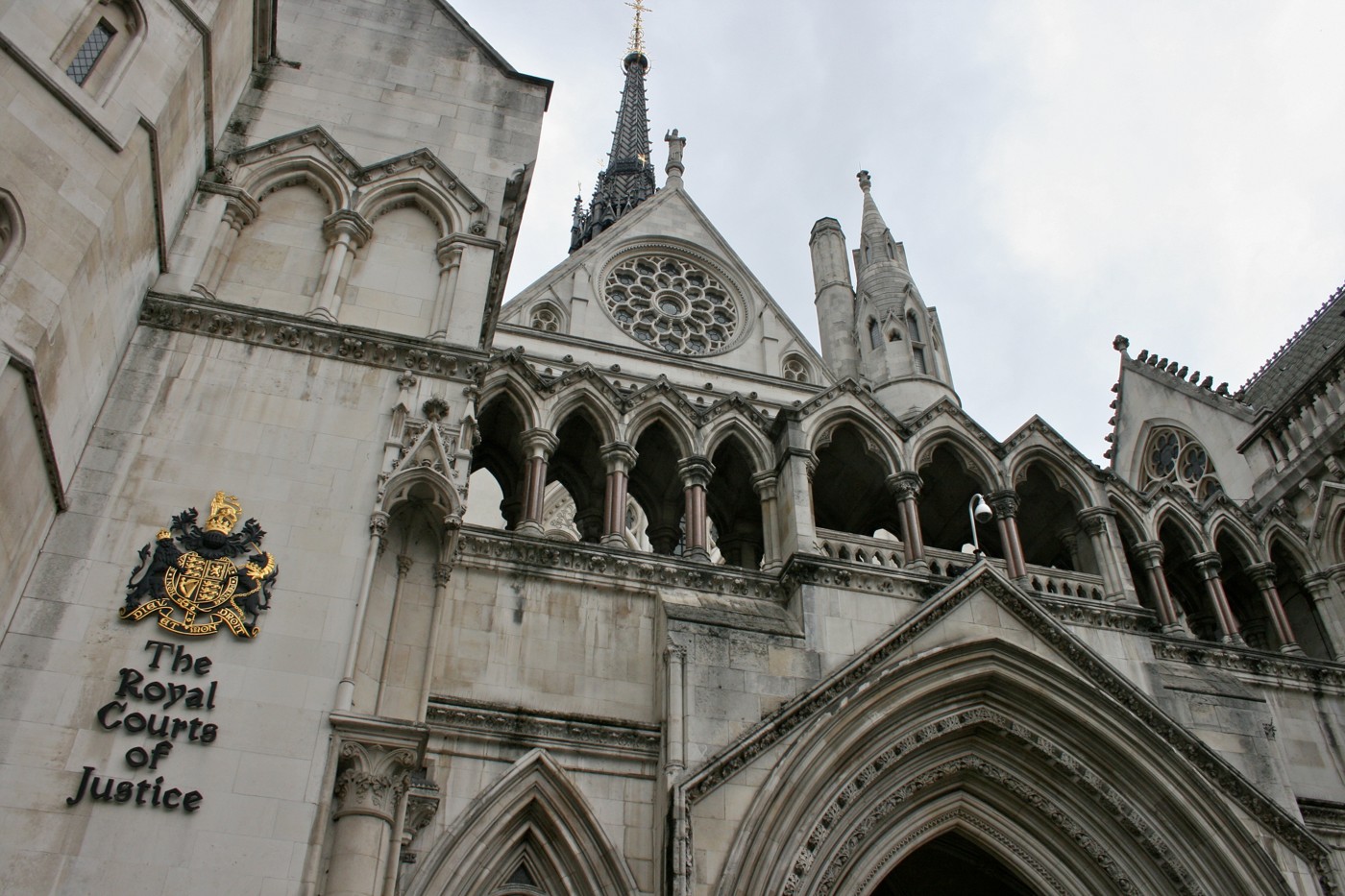
In October 2023, Robin Knowles J upheld Nigeria’s challenge under section 68 of the Arbitration Act 1996. The judgment identified corruption at several stages, rather than a single procedural mistake.
First, the evidence presented in the arbitration did not disclose the corrupt payments connected with the agreement. Second, payments to a Nigerian official continued during the arbitration and helped keep the earlier corruption concealed. Third, P&ID had obtained and retained Nigeria’s internal legal documents, giving it access to privileged material and legal strategy.
The combination mattered. The Court was concerned with how the awards had been obtained and with the effect of concealment on Nigeria’s ability to present its case. This was not simply an allegation that the tribunal had reached the wrong commercial conclusion.
What section 68 did—and did not—do
Section 68 is concerned with serious irregularity causing substantial injustice. One of its specified grounds concerns an award obtained by fraud, or an award or the way it was procured being contrary to public policy.
It is not a general appeal on the facts or an opportunity to reargue an unsuccessful case. The challenge succeeded because of the fraud and concealment established on the evidence. Nigeria had also obtained an extension of time to bring its challenge in 2020; the ordinary time limits should not be overlooked when reading the eventual outcome.
The October 2023 judgment upheld the challenge but reserved the remedy. In December, the Court chose to set the awards aside rather than remit the dispute to the tribunal. Keeping those stages separate gives a more accurate account of what the Court decided and when.
The allegations that were not proved
A careful case report must separate findings from accusations. The Court did not accept every allegation advanced by Nigeria. In particular, the judgment did not establish that Nigeria’s former lead counsel, Mr Shasore SAN, was corrupt.
That matters when the case is used in training or discussed in short social posts. The seriousness of the proved misconduct does not justify presenting disputed or rejected allegations as facts. The judgment should be read for both its conclusions and its limits.
What the arbitration process failed to uncover
The judgment raises uncomfortable questions about a process that depends heavily on the material parties choose to put before a tribunal. If important evidence is being concealed, ordinary procedural efficiency does not guarantee that it will emerge.
This does not establish that every tribunal must become an investigator or presume fraud whenever a project has failed. It does invite closer attention to unexplained payments, a transaction’s commercial substance, access to legal advice and unusual gaps in the documentary record.
Counsel also need workable procedures for dealing with material that appears privileged or improperly obtained. Continuing to use it because it is commercially helpful can deepen the damage to the fairness of the process.
What the 2025 reforms leave to existing safeguards
The Arbitration Act 2025 introduces targeted changes to the framework of the 1996 Act. It does not replace section 68 with a general power to reopen awards, nor does it make corruption in arbitration a problem that legislation alone can solve.
The significance of the case therefore continues after the reforms. Existing powers, professional responsibilities, document handling, disclosure and the willingness to respond to warning signs still do much of the work.
For readers new to the case, the right starting point is the sequence: the contract, the awards, the extension of time, the fraud findings and the final decision on the remedy. The full BITS report follows that sequence and includes the sources for each stage.
Go to the source.
- The 2023 High Court judgment, [2023] EWHC 2638 (Comm)
- Arbitration Act 1996, including section 68
- Arbitration Act 2025